Can You Change Hardwood Floors from Light to Dark or Dark to Light?
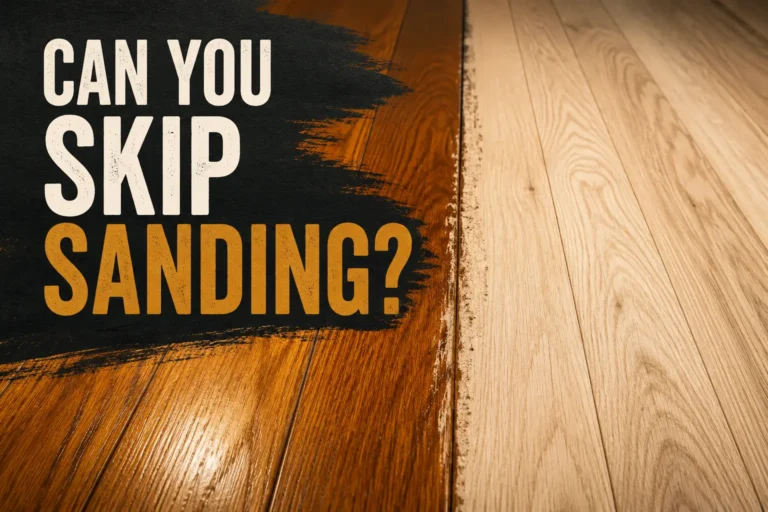
Yes, in many cases hardwood floors can be changed from light to dark or dark to light, but the result depends on the floor itself. The most important factors are the wood species, how deeply the current color has penetrated, how much usable wood is left for sanding, whether the floor is solid or engineered, and what stains or damage are already in the boards.
I previously published a guide to changing a wood floor’s color which explains the broader options, including sanding and refinishing, screening and recoating, tinted finishes, whitewashing or bleaching, and painting. This follow-up goes one level deeper on the question homeowners usually ask next: if color change is possible, can my floors realistically move light to dark, dark to light, or away from an orange, yellow, red, or dated tone?
The short version: going darker is usually more predictable. Going lighter can be done on some floors, but it has more limits because old stain, age, red or yellow undertones, pet stains, water marks, and previous sanding history can all affect the final color.
For Greenville and Upstate homeowners, this is one of the biggest reasons to refinish instead of replace. A floor that looks too orange, too yellow, too red, too dark, or simply dated may still have a lot of life left in it. The key is not choosing a color from a photo and hoping the floor cooperates. The key is evaluating the actual wood, testing samples, and choosing a color range that the floor can realistically support.
What Has to Be True Before You Can Change Hardwood Floor Color?
A real hardwood color change usually requires sanding the floor down far enough to remove the existing finish and expose clean wood. That gives the new stain a better chance to absorb evenly instead of sitting on top of old finish, old stain, or uneven wear.
Before a contractor can promise a color direction, the floor needs to be checked for:
- Current finish and stain depth
- Wood species and natural undertones
- Solid hardwood vs engineered hardwood
- How many times the floor has already been sanded
- Pet stains, water stains, sun fading, or dark spots
- Patched boards or previous repairs
- Whether the goal is lighter, darker, less orange, more natural, cooler, warmer, or more uniform
Our Hardwood Floor Sanding & Refinishing Service treats wood floor color change as a floor-specific decision, not just a stain-chart choice. The same stain can look clean and neutral on one floor, red on another, muddy on another, and too dark in a shaded room.
Light to Dark: Usually More Predictable, But Not Automatic
Changing a lighter hardwood floor to a darker color is often the easier direction because darker stain can add tone after the old finish has been removed. If the floor sands cleanly and the wood accepts stain well, you may be able to move from a pale, yellowed, or natural look into medium brown, dark brown, walnut, espresso, or another deeper tone.
That does not mean every dark color will look good on every floor. Dark stain can emphasize sanding marks, scratches, swirl marks, uneven board absorption, and gaps between boards. It can also make everyday dust, pet hair, and surface wear more visible once the floor is back in use.
A darker floor may be a good fit when:
- The wood sands cleanly and has enough thickness left
- The homeowner wants a more formal or updated look
- The room has enough natural light to support a deeper color
- The floor species accepts stain evenly
- The homeowner understands the maintenance tradeoff of a darker surface
A darker floor may be a poor fit when the floor has heavy patching, uneven sanding history, major stain variation, or a wood species that absorbs stain unpredictably. In those cases, a medium tone may look more intentional and more durable than forcing the darkest possible result.
Dark to Light: Possible, But More Limited
Changing dark hardwood floors to a lighter color is where expectations matter most. Sanding can remove the finish and a thin layer of wood, but it cannot always erase every trace of old color. Dark stain can settle into grain, seams, edges, and softer areas of the wood. Pet stains, water stains, and age-related discoloration may also remain after sanding.
Some dark floors can return close to a natural look. Others can become lighter, but not truly pale. A floor may still carry amber, red, brown, or gray undertones depending on the species and history of the wood.
The biggest limit is sanding depth. If a floor has already been sanded several times, there may not be enough usable wood left to keep sanding aggressively just to chase a lighter color. A good refinishing contractor should protect the floor first and the color wish second.
For dark-to-light projects, the more realistic question is not, Can this floor become the exact photo I found online? It is, What lighter range can this floor reach cleanly without damaging the wood?
Why Wood Species Changes the Answer
Hardwood is not a blank canvas. The species underneath the finish has a major influence on the final stain color.
Red oak can keep a pink or red cast under certain stains, especially when homeowners are trying to get a cooler, beige, or gray-brown look. White oak often works better for natural, neutral, and brown tones because it starts with a different undertone. Pine and heart pine can hold strong amber or golden warmth. Maple can be difficult to stain evenly because it does not absorb color the same way oak does.
Older floors can add another layer of complexity. Sun exposure, old repairs, previous coatings, oxidation, and board-by-board variation can all affect how the floor looks after sanding. That character can be beautiful, but it needs to be worked with instead of ignored.
Why Orange, Yellow, and Red Floors Need Special Care
Many homeowners do not simply want darker or lighter floors. They want floors that feel less orange, less yellow, less red, or less dated. That is a slightly different problem.
Sometimes the unwanted color is coming from the old finish rather than the wood itself. Oil-based finishes, aging polyurethane, and years of sunlight can create a warm amber cast. Sanding and refinishing may remove much of that dated tone.
Other times the warmth is part of the wood. Red oak, pine, and heart pine can still show natural warmth even after sanding. In those cases, stain selection and finish selection matter. A cooler stain, natural finish, or water-based finish may help, but the final result still has to respect the underlying wood.
Can Engineered Hardwood Floors Be Changed?
Sometimes, but with more caution. Solid hardwood usually gives the most flexibility because there is more wood available to sand. Engineered hardwood has a real wood wear layer on top, but that layer may be thick, thin, or already worn from previous work.
If the wear layer is too thin, sanding can expose the core underneath and permanently damage the floor. That means some engineered floors can be lightly refinished or recolored, while others are not good candidates for a full color change.
This is one reason an in-home evaluation matters. The answer depends on the actual flooring product, not just whether the surface looks like hardwood.
Sample Testing Is Where the Guesswork Ends
A stain color should be tested on the actual floor whenever possible. Online photos, showroom boards, and small manufacturer samples can be helpful for inspiration, but they cannot predict exactly how your floor will absorb color in your home.
Good sample testing helps answer practical questions:
- Does the stain pull red, yellow, gray, or brown on this floor?
- Does the color look different in morning light, evening light, and shaded rooms?
- Does a dark color show too much grain contrast or sanding history?
- Does a light color still leave old stain or discoloration visible?
- Does the color work with cabinets, trim, paint, furniture, and natural light?
The sample step also gives the homeowner and contractor a shared expectation before the full floor is stained. That is where many expensive disappointments are prevented.
When a Color Change Is Not the Best Recommendation
A dramatic color change is not always the best outcome. If the floor is thin, heavily stained, patched with mismatched boards, or marked by deep pet or water damage, a moderate color shift may look better than pushing the floor too light or too dark.
The best result is the floor that looks intentional after refinishing. Sometimes that means a bold new dark stain. Sometimes it means a natural or medium tone that hides old variation better. Sometimes it means repairing problem boards before stain is chosen.
A trustworthy estimate should include that conversation. The goal is not to sell the most dramatic transformation. The goal is to make the existing floor look its best without overpromising what the wood can do.
The Practical Answer for Upstate Homeowners
If your floors are solid hardwood and have enough wood left for sanding, there is a good chance the color can be changed. Light-to-dark changes are usually more flexible. Dark-to-light changes are possible on some floors, but they need a closer look at stain depth, wood species, previous sanding, and hidden discoloration.
The best next step is an in-home evaluation and sample process. Palmetto Floor Sanding & Refinishing can look at the condition of the floor, explain the realistic color range, and help you decide whether changing the floor color through sanding and refinishing is the right move for your home.
Can all hardwood floors be stained a different color?
No. Solid hardwood with enough usable wood left usually gives the most flexibility, but thin floors, heavily damaged floors, and some engineered hardwood floors may not be good candidates for a full color change..
Is it easier to make hardwood floors darker or lighter?
It is usually easier to make hardwood floors darker because darker stain can add tone after sanding. Going lighter is more limited because old stain, wood undertones, pet stains, water marks, and previous sanding history may still affect the final color.
Can dark hardwood floors be made light again?
Sometimes. Sanding can remove the old finish and some old stain, but dark color can remain in the grain or in damaged areas. The safest answer depends on the wood species, stain depth, floor thickness, and how many times the floor has already been sanded.
Can orange or yellow hardwood floors be toned down?
Often, yes. If the orange or yellow look comes from aged finish, sanding and refinishing may remove much of it. If the warmth is part of the wood species, the stain and finish can help guide the tone, but they may not erase the natural undertone completely.
Can engineered hardwood floors be changed to a new color?
Some engineered hardwood floors can be refinished or recolored, but only if the real wood wear layer is thick enough. If the wear layer is too thin, sanding can damage the floor.
Why should stain samples be tested on the actual floor?
Stain looks different depending on wood species, grain, age, lighting, and existing undertones. Testing samples on the actual floor helps set realistic expectations before the full floor is stained.