Commercial Floor Restoration for High-Traffic Spaces: What Facility Managers Should Plan For
Commercial floor restoration is not just a cosmetic project. In a high-traffic space, the floor has to look professional, protect the surface underneath, support safety, and get back into service as quickly as possible. The right plan starts with the condition of the floor, the way the space is used, and the amount of downtime the facility can realistically handle.
For commercial properties in Greenville, Spartanburg, and the surrounding Upstate, commercial flooring services should be planned around operations first. A retail store, school, church, office, gym, restaurant, or large facility may all need restoration, but each space has different traffic patterns, finish needs, scheduling limits, and maintenance expectations.
Start With the Real Use of the Space
Before choosing a finish or restoration method, a facility manager should be clear about how the floor performs during a normal week. Foot traffic is only one part of the picture. Rolling carts, chairs, desks, athletic activity, cleaning equipment, entryway grit, moisture, and deliveries can all change what the floor needs.
A good evaluation should account for:
- Daily traffic volume and peak-use times
- Customer-facing versus back-of-house areas
- Furniture, carts, equipment, or rolling loads
- Slip-resistance and safety expectations
- Existing wear paths, scratches, dullness, stains, or uneven finish
- Whether the floor is hardwood, concrete, gym flooring, or a mixed surface
- How quickly the space needs to return to service
This is where commercial floor restoration differs from a simple refresh. The goal is not only to make the floor look better on day one. The goal is to choose a system that fits the way the building actually operates.
Downtime Should Be Planned, Not Guessed
The biggest concern for most facility managers is disruption. A flooring project can affect customers, staff, tenants, students, congregations, deliveries, and inspections. That is why the schedule needs to be part of the restoration plan from the beginning, not a detail worked out after the quote is approved.
Depending on the project, a commercial flooring contractor may recommend phased work, night work, weekend scheduling, temporary access routes, or a planned closure window. Larger spaces may need to be divided into zones so the business or facility can keep operating while the work moves through the building.
Ask early about the sequence of work: surface preparation, sanding or grinding, repairs, stain or coating decisions, finish application, drying windows, cure time, final walkthrough, and when regular traffic can resume. A realistic timeline is better than an optimistic one that fails once the project is underway.
High-Traffic Floors Need the Right Finish System
Commercial floors do not just need a pretty finish. They need a finish system that can handle the traffic, cleaning routine, and environment. A floor in a school hallway may need a different durability profile than a boutique retail floor. A gym floor has performance and traction concerns. A polished concrete surface may need a different preparation and protection plan than commercial hardwood.
Finish selection should consider:
- Expected foot traffic and wear patterns
- Moisture, spills, cleaning products, and maintenance routines
- Matte, satin, gloss, or other appearance preferences
- Slip resistance and safety requirements
- Whether repairs or board replacement are needed before finishing
- How often the floor can be maintained or recoated in the future
For hardwood, that may mean commercial-grade finishes designed for repeated use. For concrete, it may mean polishing, grinding, coatings, or sealers that fit the surface and the environment. For athletic spaces, the finish also has to support consistent performance and safe movement.
Surface Preparation Is Where Long-Term Results Are Won
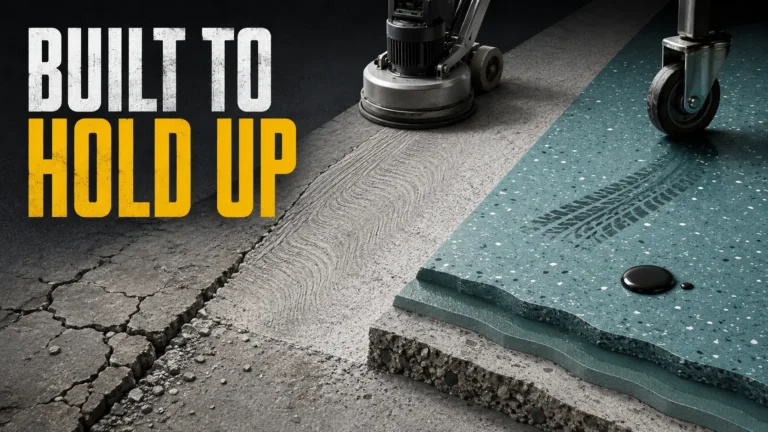
Premature wear often starts below the finish. If the surface is not prepared correctly, even a good product can fail early or wear unevenly. Hardwood may need professional sanding, repair, cleaning, and careful finish application. Concrete may need grinding, leveling, coating removal, crack attention, or diamond tooling before the final system is applied.
This preparation is especially important in high-traffic areas. Entryways, aisles, hallways, service counters, fellowship halls, classrooms, and open commercial spaces usually show the most obvious wear. If those areas are not handled correctly, they will be the first places to look tired again.
Do Not Skip Repairs Just to Save Time
It can be tempting to refinish over visible problems so the project moves faster. In some cases, that only hides the issue temporarily. Loose boards, deep scratches, damaged sections, old coating failure, moisture issues, concrete defects, or heavy contamination may need to be addressed before refinishing or coating.
Palmetto Floor Sanding & Refinishing also handles hardwood floor repair, which matters when a commercial hardwood floor has damaged boards, patched areas, or worn sections that need attention before the final finish goes down.
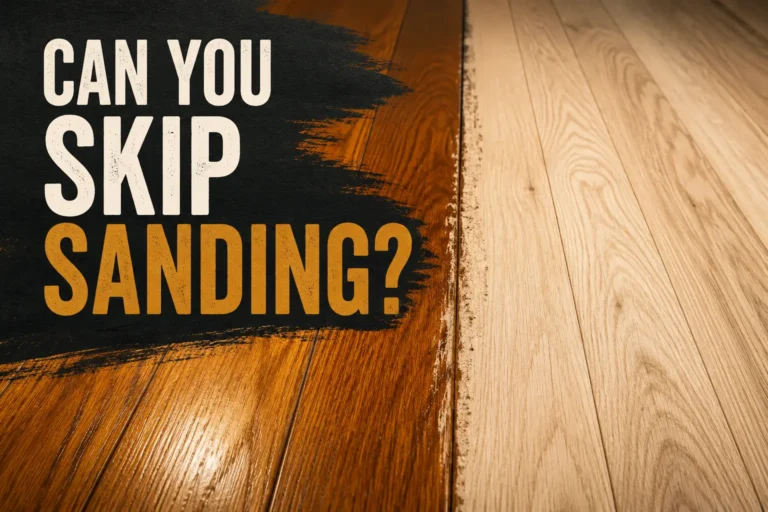
The right question is not, “Can we skip this step?” It is, “Will skipping this step shorten the life of the project?” A clear recommendation should explain what is necessary now, what can wait, and what risk comes with leaving damage in place.
Ask Questions Before Hiring a Contractor
A commercial restoration project should feel organized before work begins. Facility managers should be able to ask practical questions and get specific answers, not vague reassurance.
Before choosing a contractor, ask:
- Have you handled commercial projects with similar traffic and square footage?
- Can the work be phased, scheduled after hours, or completed over a weekend if needed?
- What surface preparation is included?
- What finish or coating system do you recommend for this use case?
- How long before foot traffic, furniture, equipment, or cleaning can resume?
- What maintenance will help extend the life of the floor?
- What issues could affect the timeline or final result?
The answers should make the project easier to understand. If the contractor cannot explain the schedule, preparation, finish choice, and maintenance plan clearly, that is a concern.
Maintenance Should Be Part of the Plan
A restored commercial floor still needs the right care. Cleaning products, mats, furniture pads, traffic control, spill response, and routine maintenance all affect how long the finish lasts. The final walkthrough should include guidance on how to protect the floor after the project is complete.
For many facilities, the best long-term approach is not waiting until the floor looks worn out again. Periodic maintenance can help protect the investment, reduce deeper wear, and keep the space looking professional between major restoration projects.
The Practical Bottom Line
Commercial floor restoration works best when durability, downtime, safety, and maintenance are planned together. A high-traffic floor should be evaluated for its current condition, the way the space is used, and the finish system that can hold up under real daily demands.
If your commercial hardwood, concrete, athletic, or high-traffic floor is dull, worn, scratched, unsafe, or no longer representing your space well, Palmetto Floor Sanding & Refinishing can evaluate the surface and recommend a restoration plan built around your schedule, traffic level, and long-term performance needs.
What is commercial floor restoration?
Commercial floor restoration is the process of repairing, sanding, refinishing, polishing, coating, or otherwise renewing a commercial floor so it can look better and perform better under daily traffic..
How do you reduce downtime during a commercial flooring project?
Downtime can often be reduced through careful planning, phased work, night or weekend scheduling, clear access routes, and realistic drying or cure-time expectations before the project starts.
Is refinishing better than replacing commercial floors?
Refinishing can be a better option when the underlying floor is structurally sound and the main problems are surface wear, dullness, scratches, or finish breakdown. Replacement may be needed when the floor is too damaged or no longer suitable for the space.
What should facility managers ask before hiring a commercial flooring contractor?
Facility managers should ask about similar project experience, scheduling options, surface preparation, recommended finish systems, return-to-service timing, safety needs, and long-term maintenance guidance.
How long do commercial floor finishes last?
The lifespan depends on the floor type, finish system, traffic level, cleaning routine, and maintenance schedule. High-traffic spaces usually need a finish and care plan designed around actual daily use.